“a plant” search results (21000)

The planting Environment of Coffee trees what kind of environment does coffee trees need to have?
The planting of coffee trees has great requirements on the environment. There are only two areas in China where coffee trees can be planted. The origin of coffee trees is Ethiopia in Africa. In botany, coffee tree belongs to the evergreen tree of the subgenus Rubiaceae, and coffee beans, commonly known as coffee beans, are the seeds of the fruit of coffee trees, just because they are shaped like beans, so they are called coffee.
2016-05-29 Coffee planting environment need have what kind coffee have very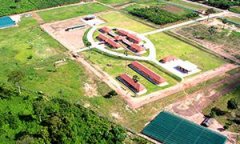
Nestl é spends $400m on Ivory Coast (C ô te d'Ivoire) to build coffee planting base
Nestl Nestl é has invested in a coffee and cocoa planting base in Ivory Coast C ô te d'Ivoire (Africa), as well as a supporting training center, covering a total area of 30 hectares. Nestl é says coffee tree farms will provide 27 million coffee plants by 2020, which will help rebuild the coffee market in the West African country.
2015-10-29 Nestl é invested US $100 million Ivory Coast Ivory Coast Coffee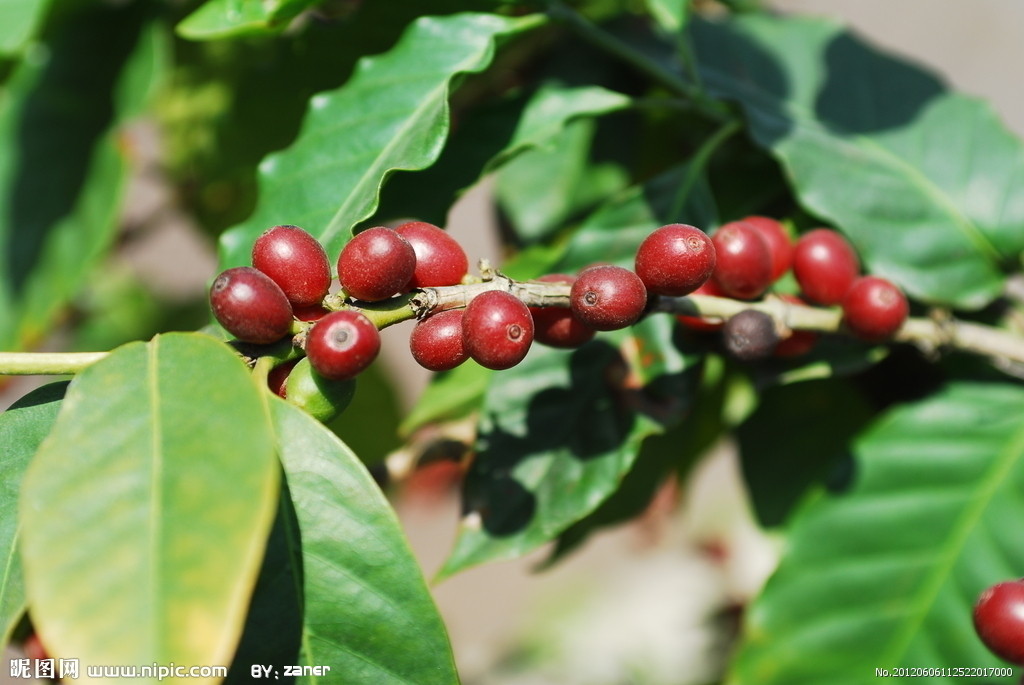
How long will it take for coffee to be planted before it can be harvested? The harvest from coffee tree planting to coffee beans is long.
Coffee trees take 3-5 years from planting to fruiting. 6-10 years of coffee trees are the most likely to bear fruit, about 15-20 years, is the harvest period. Coffee trees are usually bred in nurseries and grow into saplings, and then moved to coffee farms a year later, in full compliance with the way the Arabs planted and cultivated coffee trees. Coffee trees will continue to take root downward and upward in the first four or five years of their growth.
2016-01-07 Coffee planting how long ability harvest coffee beans long coffee knot
Developing Coffee planting Industry in Pu'er Tea Township
The "Pu'er Tea Township" has made great efforts to develop the coffee planting industry in recent years. In 2010, the coffee planting area of the city reached 230000 mu, accounting for 52.8% and 50.5% of the province and the country, respectively, making it the coffee producing area with the widest planting area and the highest output in China.
2014-07-09 Pu'er Tea Township Coffee planting Industry Coffee Manor
Yunnan Coffee planting Environment Manor which brand of Yunnan coffee is better
Pu'er, Xishuangbanna, Wenshan, Baoshan, Dehong, Lincang and other places in the south and west of Yunnan are all the distribution areas of small-grain coffee in Yunnan. As of January 1, 2012, according to the comprehensive survey of Yunnan Province, the planting area of coffee in Yunnan has exceeded 800000 mu, and the output of coffee beans in this period is expected to exceed 55000 tons. For the future, the blueprints of local governments in Yunnan have also been drawn up:
2016-07-18 Yunnan coffee planting environment producing area manor which brand southern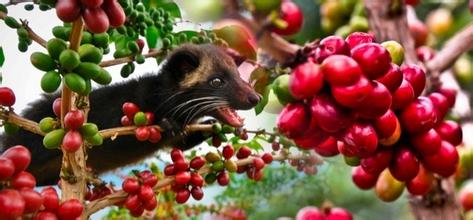
Where is the best place for coffee trees to grow and grow? Requirements for planting conditions of boutique coffee
In botany, coffee trees belong to the evergreen trees of the subgenus Rubiaceae, and coffee beans, commonly known as coffee beans, are actually the seeds of the fruit of coffee trees, just because they are shaped like beans, so they are called coffee beans. Climate is the decisive factor for coffee cultivation. Coffee trees are only suitable for growing in the tropics or subtropics, so north and south latitudes
2022-06-03 Coffee the most suitable where growth planting botany belongs to
Introduction to the Coffee planting Environment in Honduras where the planting area belongs to the Mountain area
For coffee production, the geographical conditions of Honduras are no less than those of its neighboring coffee-producing countries such as Guatemala and Nicaragua. There are 280000 hectares of coffee plantations in Honduras, mainly small coffee plantations, most of which are less than 3.5ha. These coffee plantations account for 60% of the total coffee production in Honduras. In the coffee garden, because the planting land belongs to
2016-07-01 Planting belonging to mountain Honduras coffee environment introduction San Hu Xido production
Common sense of coffee beans in Yunnan Dehong small grain coffee planting base
Dehong small grain coffee is native to Africa and Ethiopia and is the main cultivated variety in the world. In 1951, coffee seed was first introduced to Dehong Luxi Cotton cropping Experimental Station for productive cultivation. The seedlings were planted in 6 mu and grew well. In 1956, the Dehong Prefecture Committee decided to vigorously develop coffee in the whole state, and held a training course on coffee planting techniques throughout the state, so that small-grain coffee was widely developed in the whole state. 1958 de
2015-02-15 Yunnan Dehong Xiao Grain Coffee planting Base Coffee Bean Common sense
The common sense of fine coffee illustrates the whole process of planting and growth of coffee beans.
First, what is coffee seed? How did you get the coffee seeds? Coffee seeds, commonly known as dried beans with shells, are coffee seeds that have not yet removed their mesocarp and silver skin. Coffee seeds are divided into Arabica Arabica species and Robusta Robasta species. The picture shows commercial coffee raw beans available for consumption, and they are also two major coffee varieties grown commercially on a large scale. Coffee beans have been planted and grown
2014-11-26 Coffee knowledge coffee common sense coffee beans coffee bean cultivation
Indonesian boutique Manning Coffee Flavor taste Manor introduces the price of Indonesian coffee
Coffee flower Sunda Hejo processing plant is located in Bandung, West Java Province, the main coffee growing range is Malabar, about 1650 meters above sea level, volcanic soil (the coffee grown here has no smoky taste), springs, and the mountain area has a large temperature difference between day and night, so it is very suitable for coffee cultivation. Cooperative farmers are mainly local village residents, about 100 people, built a coffee treatment
2016-08-04 Indonesia boutique Mante coffee flavor taste manor producing area introduction price
Establishment of Coffee quality Inspection system in Yunnan
On March 26, in Yunnan Province, the largest coffee producing area in China, local coffee companies are registering coffee bases in an attempt to establish a quality traceability system. Scan the bar code to find out the planting area, altitude, grower, primary processing plant of each cup of coffee. It is understood that this is also an important measure for Yunnan to promote the fine cultivation of coffee and create boutique coffee. Located in the west of China
2015-09-02 Establish Yunnan coffee quality inspection system
Coffee legend Coffee the origin of this plant dates back millions of years
The origin of coffee plant can be traced back to millions of years ago, in fact, it was discovered in the real age is not known, only legend coffee is Ethiopia Heights a shepherd named Kaldi (Kaldi), when he found his sheep accidentally ate the fruit of a plant, became very lively and energetic, from the discovery of coffee. All historians seem to agree.
2015-09-18 Coffee Legend Plant Origin Dating Millions of years ago From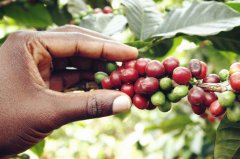
Red Kaduai Red Catuai of Tianyi Manor in Nicaragua planting area
The planting conditions in Nicaragua are not inferior to those in Central American countries. Shaded coffee is grown at high altitudes. It tastes round and balanced with less sharp acid. The main unknown factor is war and hurricanes, which make a single farm unsustainable. There is no historical data for raw bean merchants to track and check farm data until after 2003, the bad factors of coffee quality are removed and backward intercourse.
2016-06-19 Nicaragua planting region providence Manor Red Card Duai Red Cat
China Yunnan coffee domestic coffee Yunnan coffee flavor China Coffee Network
Yunnan coffee was planted on a large scale in the mid-1950s, with a planting scale of 4000 hectares at one time. By the end of 1997, the planting area of coffee in the province had reached 7800 hectares. At present, the planting area of the province accounts for 70% of the national area, and the output accounts for 83% of the whole country. Yunnan coffee has established the dominant position in China in terms of planting area and coffee bean production.
2016-04-15 China Yunnan coffee domestic flavor large-scale planting is in
Planting Environment of Coffee species in Colombia
Species Morphology Editing Colombian Coffee Plant Morphology Colombian Coffee Plant Morphology (10 pieces) Colombian coffee is mainly small grain coffee. Plants are small trees or large shrubs, 5-8 m tall, usually much branched at base; old branches gray-white, nodes dilated, young branches glabrous, compressed. Leaves thinly leathery, ovate-lanceolate or lanceolate, 6-14 cm long, 3.5-5 cm wide, apex
2016-06-02 Columbia Coffee species form planting Environment Editor Brother
Yara Peaberry washing treatment of African flavor Muxiui treatment plant in the western province of Rwanda
Country: Rwanda production area: West province Lutesilo production area altitude: 1827 meters rainfall: 1500mm treatment method: washing, elevated scaffolding sun drying varieties: BM-139 (bourbon) seed treatment plant: Musuyi treatment plant landlord: 1756 members small farmers (about 253 plants per small farmer) flavor: red apple, cherry, cinnamon, honey [Mushonyi processing plant]
2016-04-19 Yara Peaberry washing treatment Africa flavor Rwanda
Yara Peaberry washing treatment of African flavor Muxiui treatment plant in the western province of Rwanda
Country: Rwanda production area: West province Lutesilo production area altitude: 1827 meters rainfall: 1500mm treatment method: washing, elevated scaffolding sun drying varieties: BM-139 (bourbon) seed treatment plant: Musuyi treatment plant landlord: 1756 members small farmers (about 253 plants per small farmer) flavor: red apple, cherry, cinnamon, honey [Mushonyi processing plant]
2016-04-19 Yara Peaberry washing treatment Africa flavor Rwanda
Explain the planting and cultivation of coffee trees in detail to understand the growth environment and needs of coffee trees.
(1) Seedling propagation Coffee seedling propagation can be divided into seed propagation and asexual reproduction. 1. Seed propagation (1) seed collection, seed washing and seed storage during the full ripening period of coffee (the full ripening period of medium-grain coffee in Hainan Island is from February to March, and that of small seed is from September to November). The fully ripe fruits are picked from strong and high-yielding mother trees to make seeds. Immediately after the fruit is harvested, peel and wash the seeds. The method is to place the fruit.
2015-11-25 Details explanation coffee planting cultivation understanding growth environment demand
How much do you know about the growing conditions and distribution of coffee
Coffee planting conditions and distribution 1. What is coffee? Coffee (Coffee) is derived from the Latin word Coffea (biological word name) and belongs to a member of the Rubiaceae family. These plants are all woody plants, most of which are distributed in the tropics, with more than 500 classifications and about 6000 varieties. Most of the Coffea plants are tropical evergreen bushes 5-6 meters high.
2014-07-30 Coffee planting coffee growing conditions coffee beans
An introduction to the characteristics of the Flavor Manor of small Grain Coffee in Yunnan, China
Pu'er, Xishuangbanna, Wenshan, Baoshan, Dehong, Lincang and other places in the south and west of Yunnan are all the distribution areas of small-grain coffee in Yunnan. As of January 1, 2012, according to the comprehensive survey of Yunnan Province, the planting area of coffee in Yunnan has exceeded 800000 mu, and the output of coffee beans in this period is expected to exceed 55000 tons. For the future, the blueprints of local governments in Yunnan have also been drawn up:
2016-09-19 China Yunnan pickup small grains Coffee Flavor Manor characteristics introduction